

An expensive film set, a team of professionals, hours of post-production—none of that is needed anymore. Describe a scene in words, and artificial intelligence turns it into a video. OpenAI has just launched Sora in the European Union and the United Kingdom.
This release could shake up creative industries. Filmmaking, advertising, and digital content production are facing something entirely new. Will this open doors for independent creators, or will it push professionals out of work?
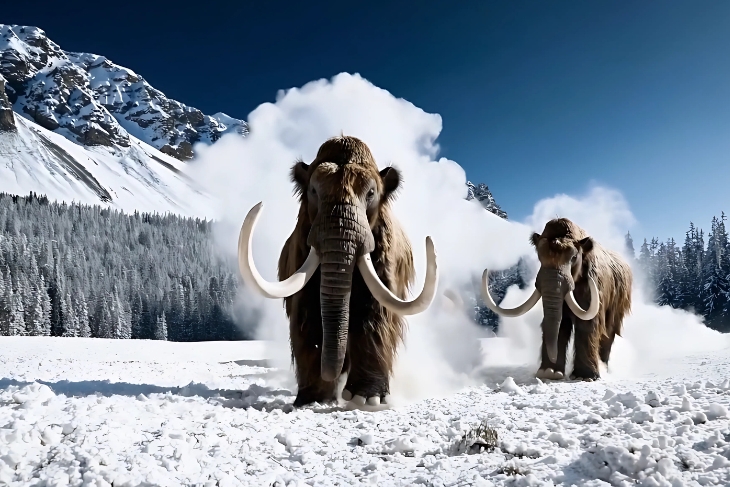
Image source: OpenAI (Screenshot from Sora demo video)
What Is Sora, and How Does It Work?
Unlike earlier AI models that generated single images, Sora creates full video sequences from text descriptions.
Type:
“A young couple walks through Paris as the first snow falls. The Eiffel Tower lights twinkle in the distance.”
Sora delivers a video that matches the description, including movement, lighting, and a cinematic feel. It can expand existing clips, apply different visual styles, and combine multiple elements in a seamless way.
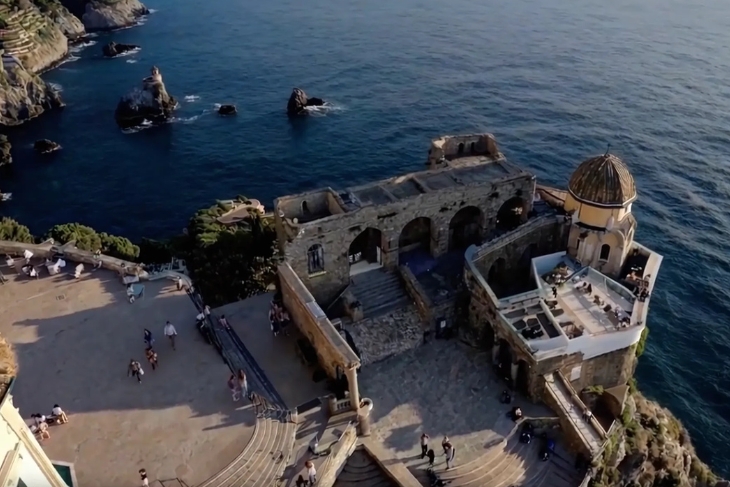
Image source: OpenAI (Screenshot from Sora demo video)
How Is Sora Different?
AI-generated videos have existed before, but Sora is pushing the limits.
- Handles scenes with multiple subjects, realistic backgrounds, and natural movement.
- Creates longer clips in one pass rather than stitching together short segments.
- Produces textures, reflections, and facial expressions with striking accuracy.
Independent creators now have access to a tool that previously required costly equipment. Film-quality production is available without actors, cameras, or a crew. But this also raises questions about the future of traditional video work.
Why Is Sora Controversial?
Hollywood Reacts
Days after OpenAI demonstrated Sora, Tyler Perry halted an $800 million expansion of his film studio. The technology made him rethink whether large-scale physical sets are still necessary.
Filmmakers and visual effects professionals are paying attention. The ability to generate entire scenes without physical production changes how projects come together.
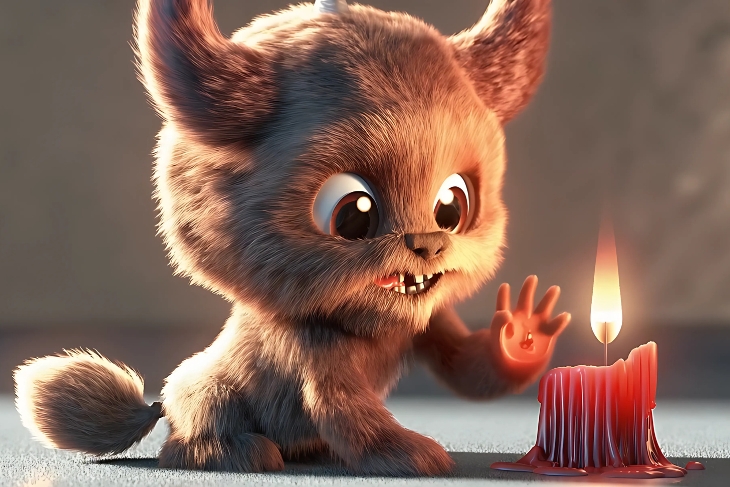
Image source: OpenAI (Screenshot from Sora demo video)
Who Owns AI-Generated Content?
OpenAI says Sora was trained on publicly available data, but artists and musicians are raising concerns.
Paul McCartney has spoken against AI models that recreate artistic styles without permission. Many creators argue that AI companies should disclose exactly what data is used to train their models, ensuring transparency and fair use.
Some industry groups are pushing for stronger protections, warning that without clear guidelines, AI could undermine the value of original work. Streaming platforms and social media companies are also being pressured to label AI-generated content more clearly, so audiences know when they are watching something made by a machine rather than a person.
How Is Europe Responding?
Regulators in Europe are taking a close look.
- Germany and France have raised concerns about AI’s influence on media and journalism.
- The UK government is weighing new copyright laws but hasn’t reached a decision.
- EU regulators are calling for clearer labeling of AI-generated content.
Meanwhile, businesses are figuring out how to integrate AI without violating legal and ethical standards. Major advertisers are experimenting with AI-driven campaigns, and film studios are testing AI-generated backdrops and effects.
Sora could become a major tool for independent creators, making high-quality video production more accessible. At the same time, industries built on human craftsmanship are facing an uncertain future.




Leave A Comment